


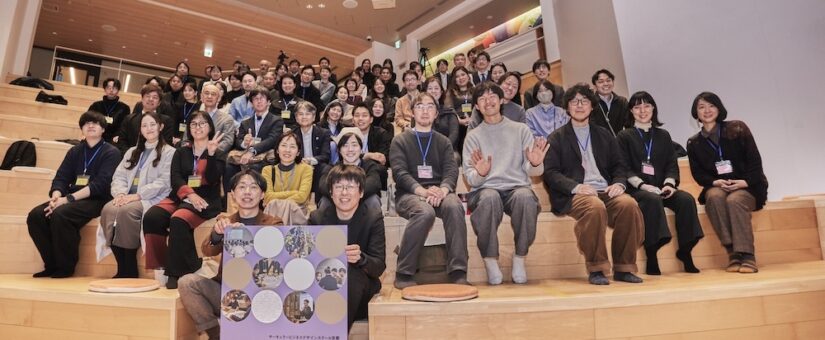
Event Report | Circular Business Design School Kyoto releases final report showcasing circular economy visions emerging from Kyoto
- On May 8, 2026
- circular business, Circular Business Design School Kyoto, circular design, Circular Economy, Circular Innovation, Kyoto, Local Circular Economy, Regenerative Design, sustainability
Harch, commissioned by Kyoto City to operate the “FY2025 Circular Economy Foundation Development Program,” launched the Circular Business Design School Kyoto (CBDS Kyoto) in October 2025. Following the completion of the approximately three month program, a final report summarizing the outcomes developed by participants has now been released.
* This article is republished from IDEAS FOR GOOD, the web media platform operated by Harch that gathers ideas to make society better: “Circular Business Design School Kyoto releases final report showcasing circular economy visions emerging from Kyoto (in Japanese).”
Circular Business Design School Kyoto releases final report showcasing circular economy visions emerging from Kyoto
When we talk about “prosperity,” what does that really include? As climate change and resource constraints become increasingly severe, the conventional model of mass consumption and disposal is reaching its limits. Yet building entirely new systems from scratch is no easy task. Amid this reality, the city of Kyoto, with its 1,200 year history, is beginning to illuminate a possible next step for society.
At the heart of Kyoto lies the “shimatsu no kokoro,” a mindset rooted in carefully valuing and fully using things with care and respect. The Circular Business Design School Kyoto, an action oriented circular economy business development program organized by Kyoto City and operated by Harch, was launched as an attempt to combine this wisdom with circular design. Following approximately three months of activities beginning in October 2025, the program has now released a report summarizing the final outcomes created by participants.
▶︎ View the Circular Business Design School Kyoto final report here (in Japanese)
Participants in the program came from diverse backgrounds, including local businesses, startups, and university students. Through fieldwork conducted in Kyoto City and Keihoku, workshops with cards, and prototype development exercises, each participant explored the foundational elements necessary for a transition toward circularity.
As a result, many of the ideas presented at the final presentations held on January 23, 2026, went beyond simple resource recycling and instead questioned the very structure of society itself. The proposals included business models for off grid housing solutions in isolated mountain communities, interior materials made from plant waste, smart technologies supporting circular lifestyles, and community based laboratories that encourage the secondary use of research equipment. Each initiative aimed to transform existing systems into more circular ones.
Other proposals also attracted attention, such as redefining household belongings left in vacant homes as “digital materials” and creating systems that connect children’s cafeterias with professional sports teams in order to circulate both objects and human intentions.
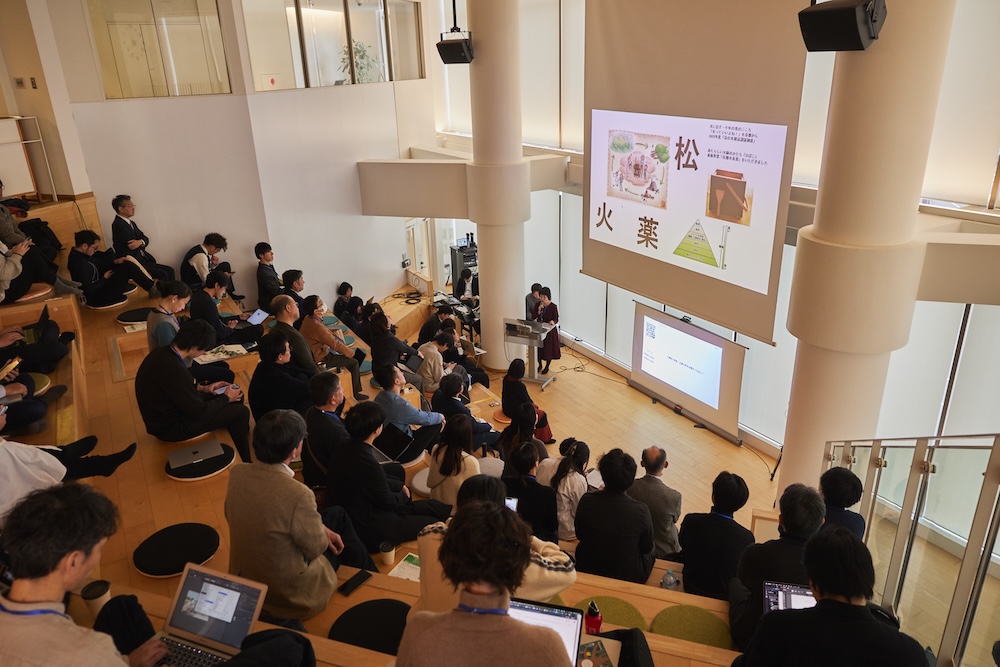
The event was held at QUESTION, a co creation facility located in Kyoto City.
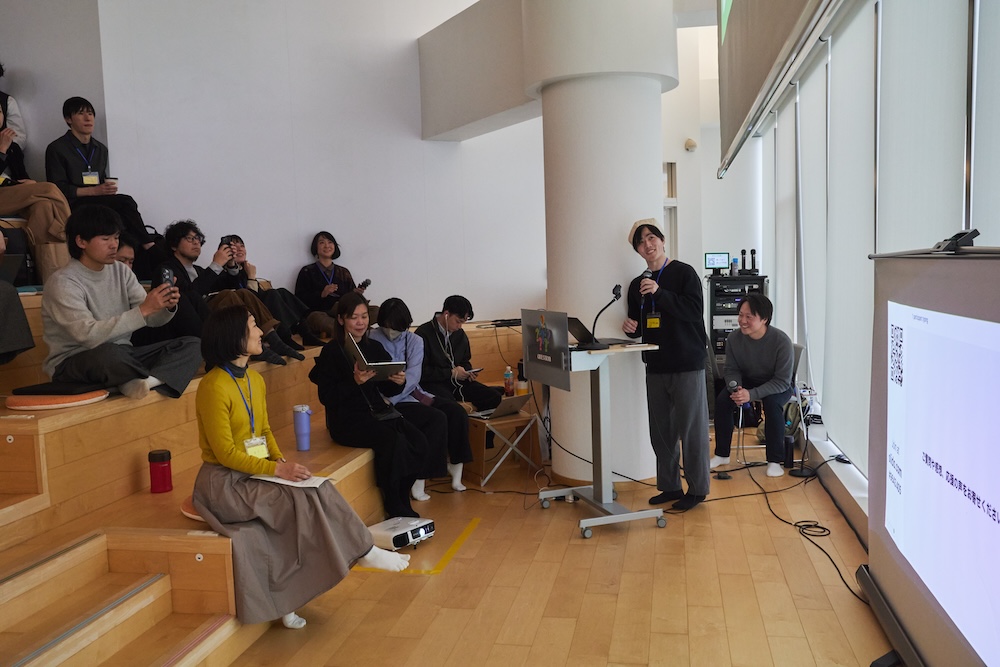
Individual presentations by program participants.
The six mentors who supported participants throughout the three month journey shared reflections such as, “More than circularity itself, I sensed a strong civic pride in Kyoto that seeks wellbeing through making the landscape more beautiful through the economy,” and “Participants consistently demonstrated a mindset focused not on optimizing only for their own company, but on optimizing for the region as a whole.” Participants appeared to be building a network that functions as a single ecosystem by complementing one another’s strengths and weaknesses across industries and positions.
The 20 stories of circularity emerging from Kyoto shine a light on the future direction of business. As materials and resources circulate and people become more deeply connected through that circulation, a new form of prosperity may already be beginning to take root in society.

Prototype exhibitions by program participants were also presented.
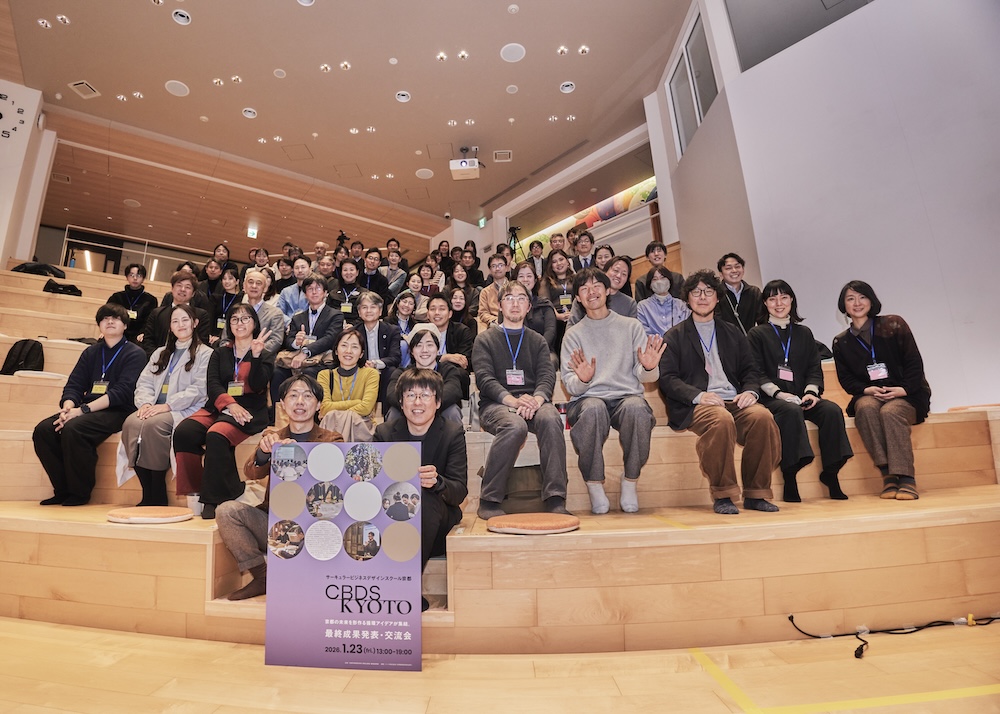
This program now comes to a close. However, this is not the goal, but merely the starting line for implementing a sustainable future beginning in Kyoto. We would like to express our sincere gratitude to all participants, mentors, and partner organizations who shared this learning journey together, and we hope that this “circulation of knowledge” will inspire the next wave of innovation.
▶︎ View the Circular Business Design School Kyoto final report here (in Japanese)
About Circular Business Design School Kyoto
Kyoto has assets cultivated over 1,200 years, such as the spirit of “shimatsu no kokoro” (frugality), circular ways of living, and craftsmanship traditions that continue to shine across generations.
To create the circular future now demanded by global challenges like climate change and biodiversity loss, it is essential to harness this wisdom and apply it to the present with creativity.
Harch has launched the Circular Business Design School Kyoto in October 2025, a learning program that combines Kyoto’s heritage of circular wisdom with cutting-edge insights in circular economy to co-create the desired future.
Decode Culture, Design Future: Unravel wisdom and design innovation. Together from Kyoto, let us envision a circular future that extends beyond tradition.
【Related Articles】IDEAS FOR GOOD “Kyoto’s 1200 year history holds clues to the circular economy: A vision for a future where environment and industry coexist” (in Japanese)
【Related Articles】IDEAS FOR GOOD “Special Dialogue: Exploring the future of Kyoto-style circularity with Akihiro Yasui” (in Japanese)
* Photos by Arashi Yamakawa