


![[IDEAS FOR GOOD] Event report | How Denmark’s Kontrapunkt defines “genuine design”: building meaning that moves society and the responsibility it carries](https://harch.jp/wp-content/uploads/2026/05/ideas4good_kontrapunkt_202605-825x340.jpg)
[IDEAS FOR GOOD] Event report | How Denmark’s Kontrapunkt defines “genuine design”: building meaning that moves society and the responsibility it carries
- On May 29, 2026
- branding, circular design, design, design ethics, event report, genuine design, Kontrapunkt, social issues, sustainability, Ørsted
In April 2026, IDEAS FOR GOOD, a web media platform operated by Harch that gathers ideas to make society better, held a talk event at Glass Rock in Toranomon Hills, Tokyo, welcoming Johan Lawaetz, CEO of Kontrapunkt, Denmark’s leading branding firm. This article introduces a report from the event.
* This article is a republished report from IDEAS FOR GOOD titled “How Denmark’s Kontrapunkt defines ‘genuine design’: building meaning that moves society and the responsibility it carries” (in Japanese).
Speakers
Yu Kato (Harch Inc. | CEO & Representative Director)
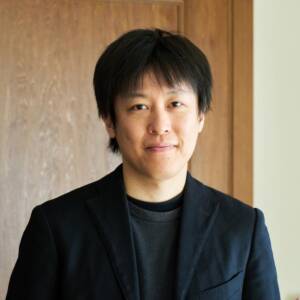
Founder of IDEAS FOR GOOD, a global ideas magazine for making society better. Also leads Circular Economy Hub and Circular Yokohama, a circular city transition platform for Yokohama City. Works with corporations, local governments, and educational institutions to advance sustainability and circular economy initiatives. Outside Director of NIKKO COMPANY Director and Associate Professor at the Circular Futures Design Center, Shizen Graduate School. Graduated from the Faculty of Education, University of Tokyo.
Johan Lawaetz (Kontrapunkt | CEO & Partner)
A strategy specialist with experience across consulting, startups, and the financial industry. Known for a logical and structural approach that integrates brand strategy, corporate management, and on-the-ground tactics. Brings a consistently global and comprehensive perspective to strategy development, drawing on project experience across Europe, Africa, the Middle East, and Asia.
The unintended consequences of design, and why they go unnoticed
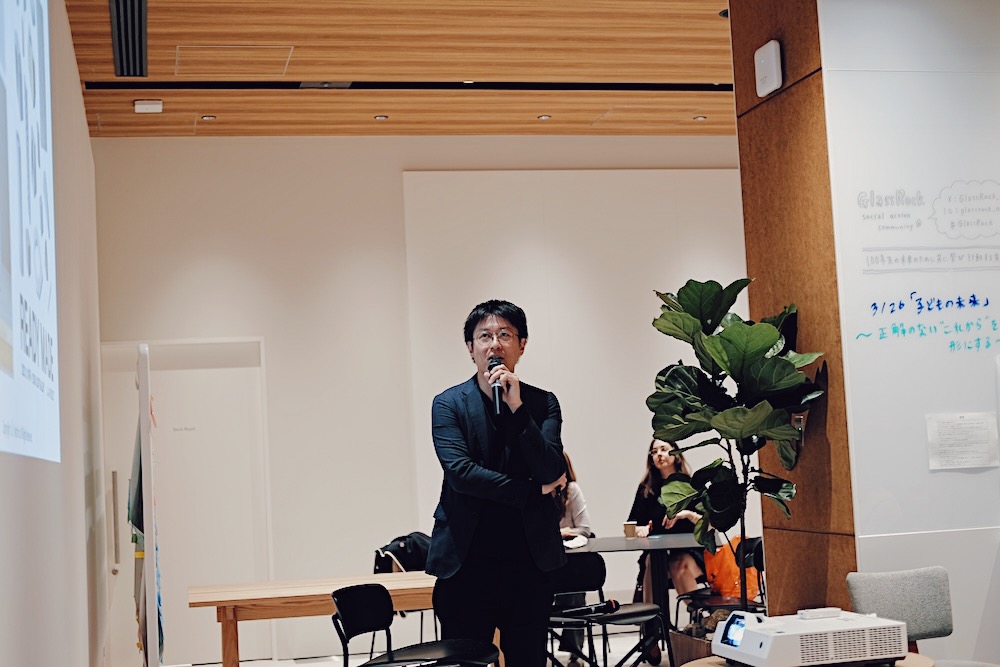
In the first half of the event, Yu Kato, CEO of Harch, framed the far-reaching impact of design on society and the environment with a provocative question.
“EU official documents suggest that up to 80% of a product’s environmental impact is determined at the design stage. And yet, have we lost sight of what we are actually designing?”
Kato introduced an essay titled “A House and a Hole”, describing a home in Morocco with a large pit right beside it, built from the very earth and stone excavated from that spot. To build a house, in other words, is also to dig a hole.
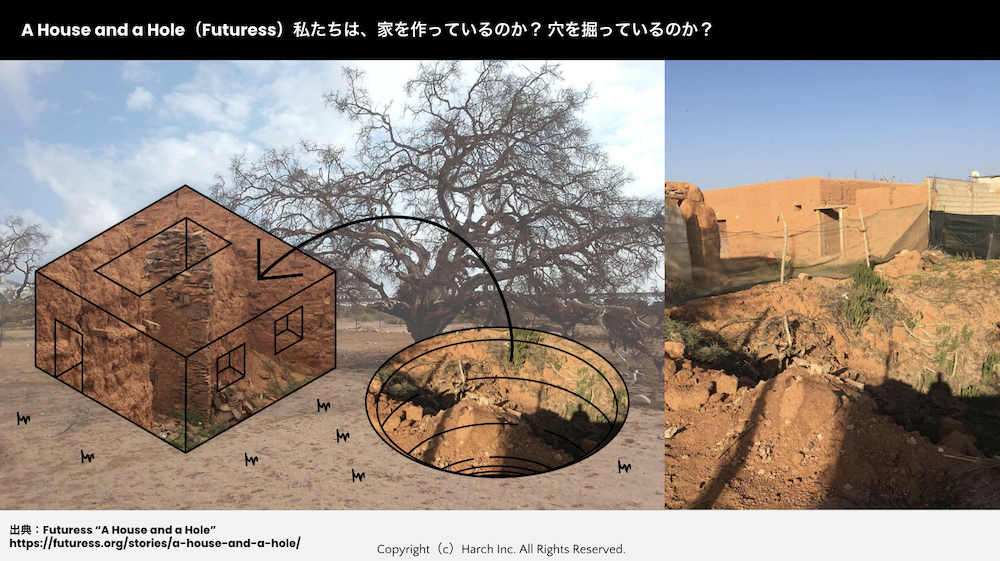
“An architect may think of themselves as designing a house, a product. But designing a house also means designing a hole, a site of resource extraction. We need to understand where holes are being created by every design decision we make. Yet in the modern world, that distance has grown so vast it has become nearly invisible.”
In many business contexts today, the place where design decisions are made is far removed from the source of the materials involved. The extraction sites, manufacturing processes, and distribution chains are fragmented, making it difficult to perceive where the holes are opening up. Kato also pointed out that these unintended consequences appear not only in distant places but in familiar, everyday contexts, where they tend to go overlooked.
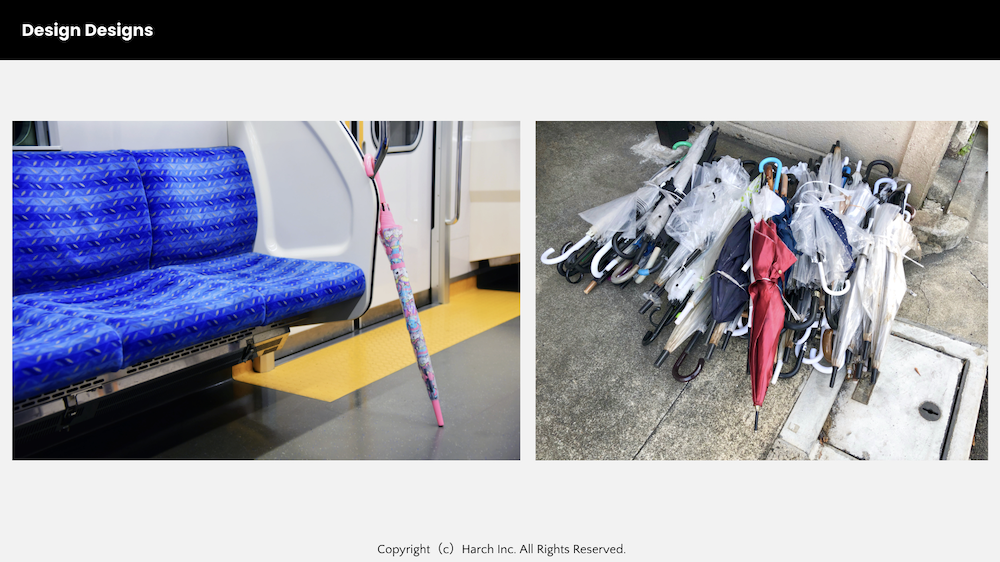
“For example, in designing the convenience of smartphones, we inadvertently designed a world where everyone looks down on public transit. And the ergonomic ease of an umbrella handle, designed so it can be hung anywhere, has contributed to around 100 million umbrellas being discarded every year. Behind every convenience a designer intends, an unintended hole opens somewhere. We need to pay attention to that impact.”
So how do we respond? Kato offered a hint through a case study from Takamatsu, Kagawa Prefecture: the AJI PROJECT, which develops products from Aji stone in collaboration with local craftspeople.
Known as the “diamond of granite,” Aji stone has long seen much of its off-cuts landfilled during the processing of gravestones and other products. The AJI PROJECT transforms these discarded scraps into beautiful bookends and other items through artisanal craftsmanship, an initiative called “READY MADE.”
Even more remarkable is the subsequent project, READY MADE +.
“‘READY MADE +’ takes on the off-cuts of off-cuts, the fragments created in the process of making products from scraps. The project team was initially uncertain: ‘isn’t this just garbage?’ But many people came forward to find value in the uniquely shaped, one-of-a-kind pieces.”
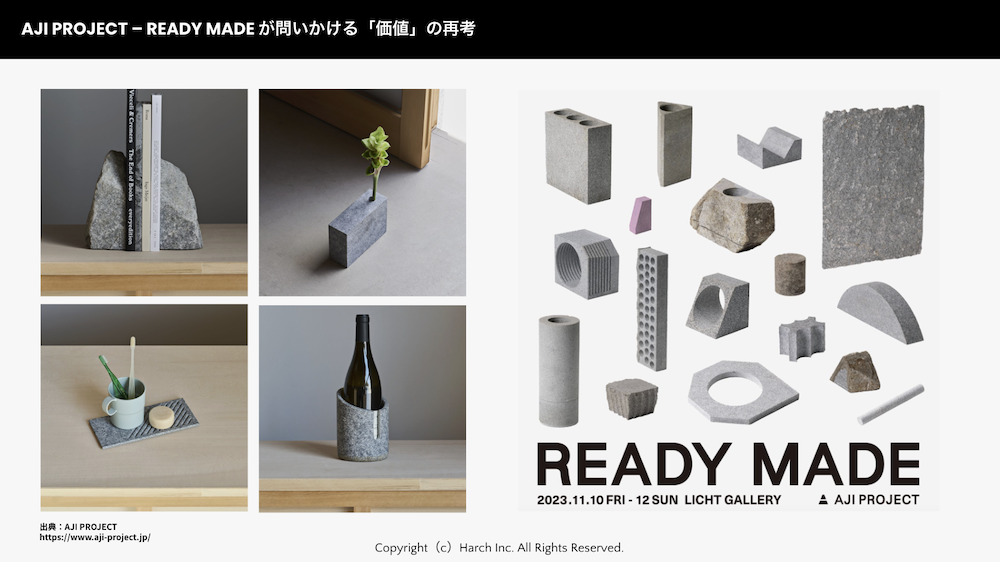
Source: AJI PROJECT
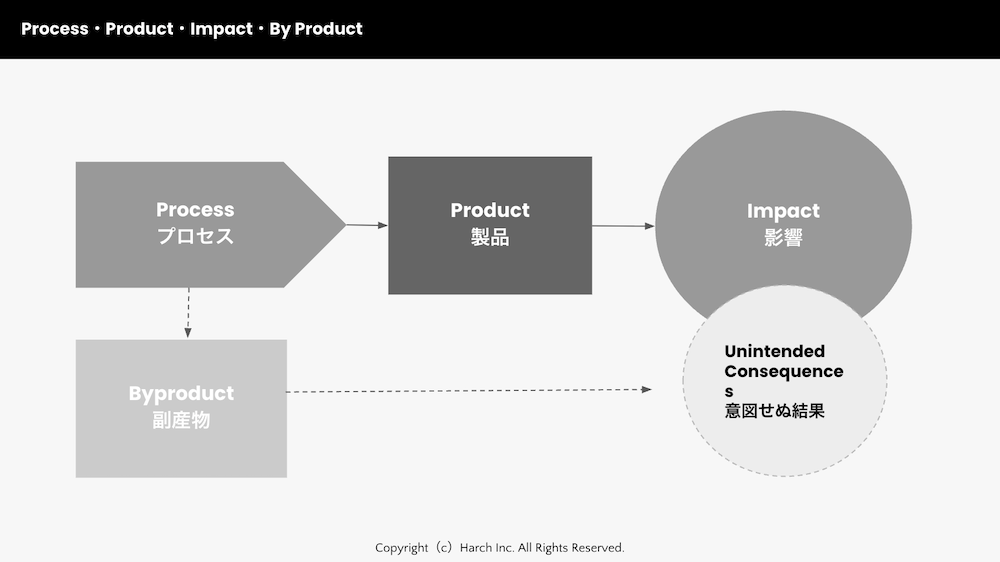
Through this example, Kato illuminated a new possibility for design.
“The boundary between what is a product and what is waste is far more ambiguous than we assume. What we write off as a liability or garbage may hold the potential for new value. Impact is not inherently negative. By slightly rerouting the design process, it can be transformed into something positive.”
Expanding the scope of design: toward systems, decentering, and conviviality
Kato went on to present four key perspectives he believes designers must grapple with going forward.
1. From product to entire system
Drawing on a model (in Japanese) developed by Professor Idil and colleagues at Aalto University in Finland, Kato emphasized the importance of expanding the scope of design beyond materials and products to encompass services, business models, and ultimately entire social and ecological systems.
2. Rethinking the “human-centered” metaphor
Kato challenged the underlying assumption embedded in the term “human-centered design,” namely that what is at the center is more valuable than what is at the periphery. Referencing the concept of “human peripheralism” proposed by Akihiro Kubota in the book Smart Cities, Mushrooms, and Buddha (in Japanese), he suggested that in today’s world, it is precisely the peripheral and the marginal that hold value.
3. Extractivism and colonialism hidden behind the digital
Even AI and digital infrastructure that appears clean on the surface is built upon substantial CO2 emissions and the mining of rare metals. Kato also raised the alarm about emerging structures of exploitation such as “data colonialism,” in which our bodies and behaviors are mined as a resource called data, a responsibility that design must own.
4. Conviviality and the watershed of tools
Citing philosopher Ivan Illich’s concept of conviviality (in Japanese), Kato explored the relationship between tools and human agency, distinguishing between a “first watershed” where tools amplify human capability (like a bicycle, which expands what people can do through use) and a “second watershed” where tools strip it away through excessive automation that erodes human autonomy.
“Just as the piano, a tool that demands practice, gives people the opportunity and joy of effort, AI as a new kind of tool should not diminish human capability, but serve as a means by which people can autonomously generate their own joy.”
Genuine distinction sparks a movement: Ørsted’s transformation from fossil fuels to renewable energy
Taking up from there was Johan Lawaetz, CEO of Kontrapunkt. Founded in Copenhagen, Denmark in 1985, Kontrapunkt is a branding firm that integrates strategy, design, technology, and storytelling to deliver creative work that drives change rather than mere aesthetic appeal. The firm has shaped national scale infrastructure designs including the Danish Parliament, the Royal Art Collection, and public rail systems.
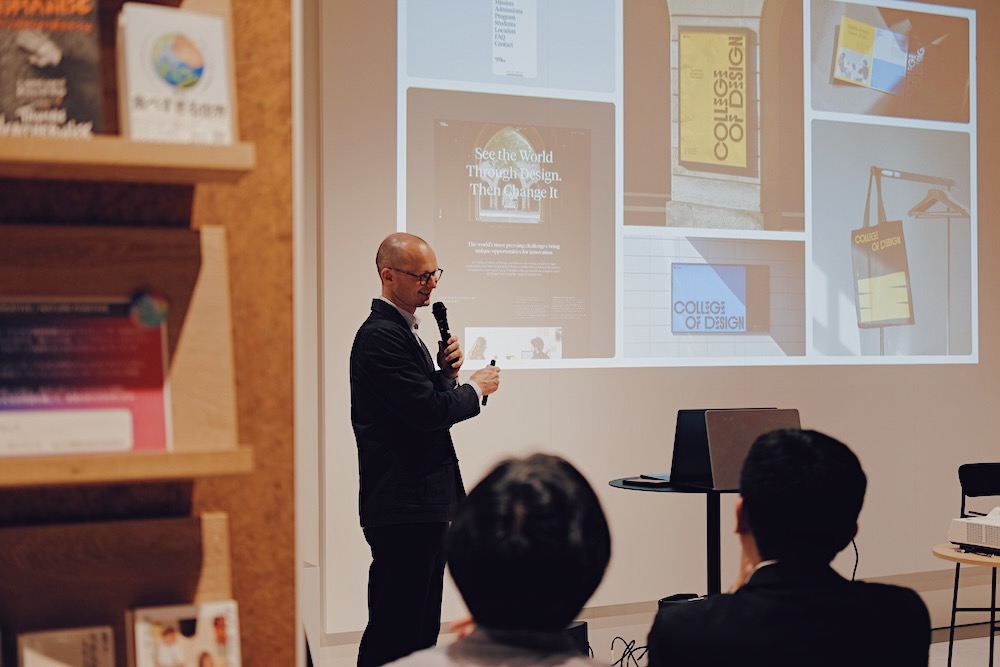
Johan Lawaetz, CEO of Kontrapunkt
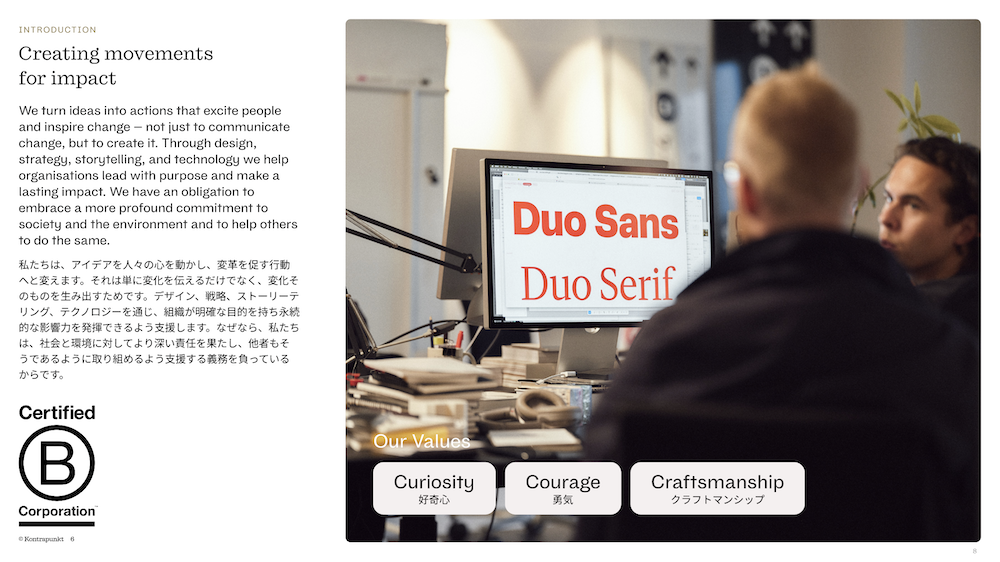
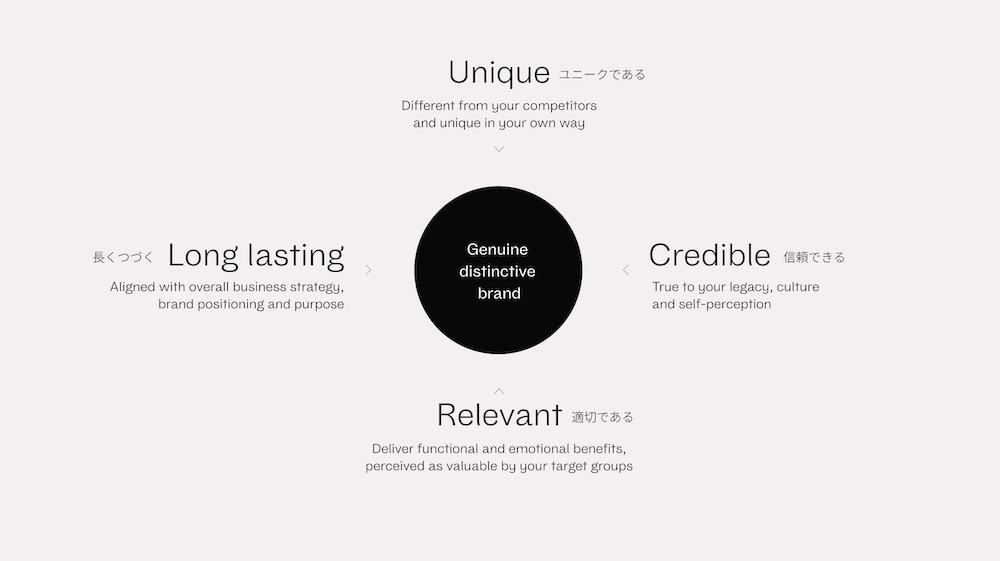
Johan argues that the key to a company evolving from a profit-seeking entity into a leader of social movements lies in “genuineness.”
“For a brand to be trusted, it needs what we call ‘Genuine Distinction’: staying true to its own core while standing apart from others. And it must harmonize that stance across every touchpoint through ‘Orchestration.'”
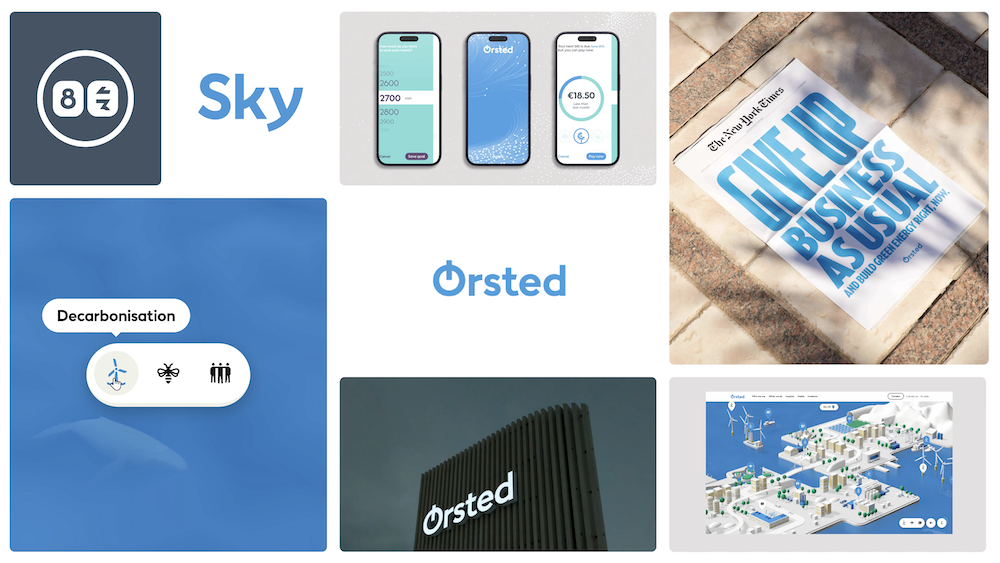
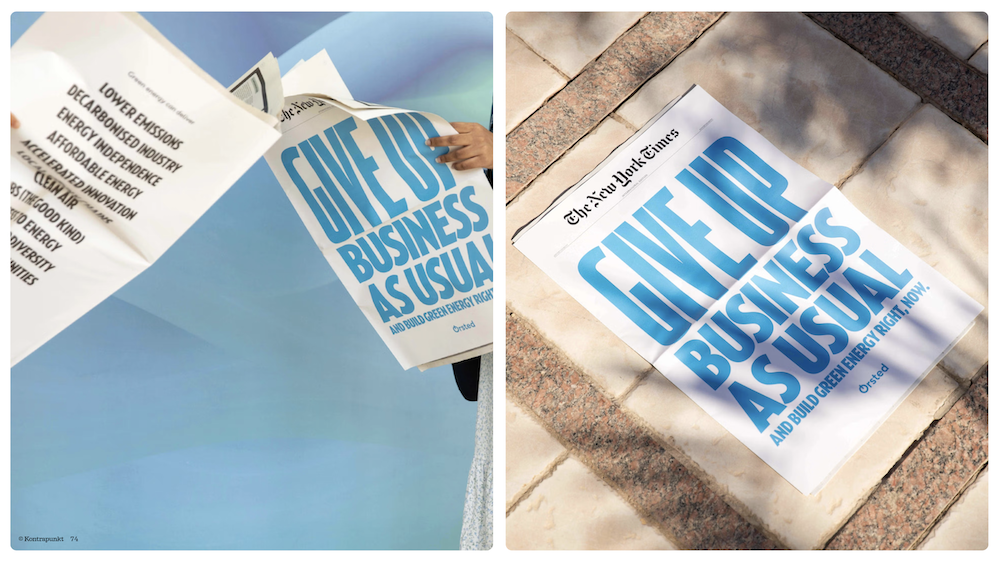
The defining case study presented was the transformation of Ørsted, Denmark’s largest energy company. Once known as DONG Energy (Danish Oil and Natural Gas), the company had been primarily driven by fossil fuels.
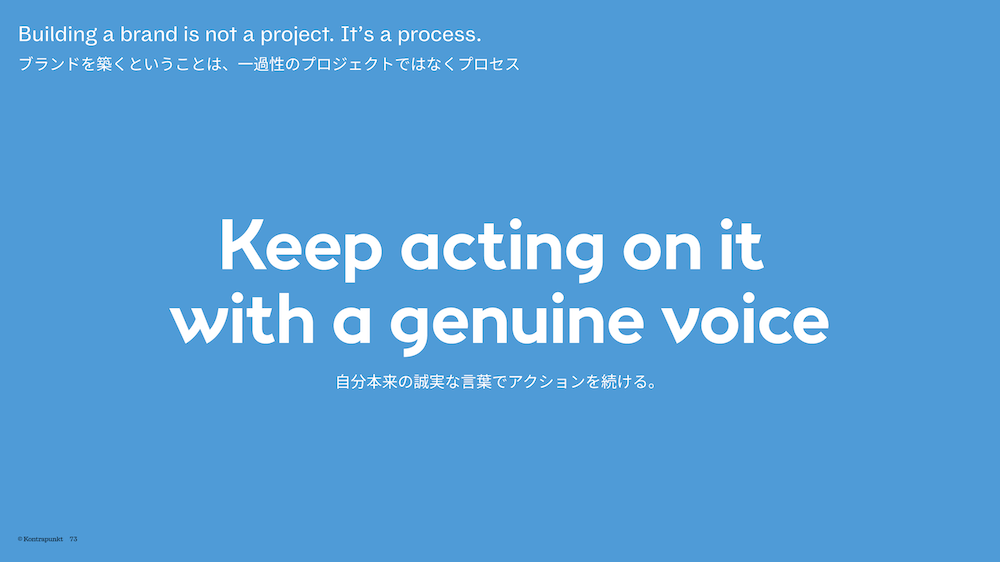
“From 2006, they made the decisive shift, symbolically speaking from black energy to green energy. Kontrapunkt supported the process of integrating their business strategy with their brand. The company name was first changed to ‘Ørsted,’ named after the scientist who discovered electromagnetism. It was not just a logo change. It was a redefinition of their purpose: to create a world entirely powered by green energy.”
The transformation involved strict confidentiality, carried out discreetly as a listed company. Over one weekend, all signs and interiors were replaced, and on Monday morning the CEO made the announcement to employees and the world. Today, Ørsted generates 98% of its energy from renewables and has become the world’s largest offshore wind energy company.
Another project Johan highlighted was the work with Suntory. Tasked with communicating sustainability efforts in a way that could be understood by middle school students, his team moved away from the standard PowerPoint presentation format and introduced an entirely new lens.
“To truly embody Suntory’s philosophy of ‘Living with Water,’ we placed water itself as the storyteller. We reframed every initiative from the perspective of water and visualized its cascading effects as a ‘Ripple Effect.'”

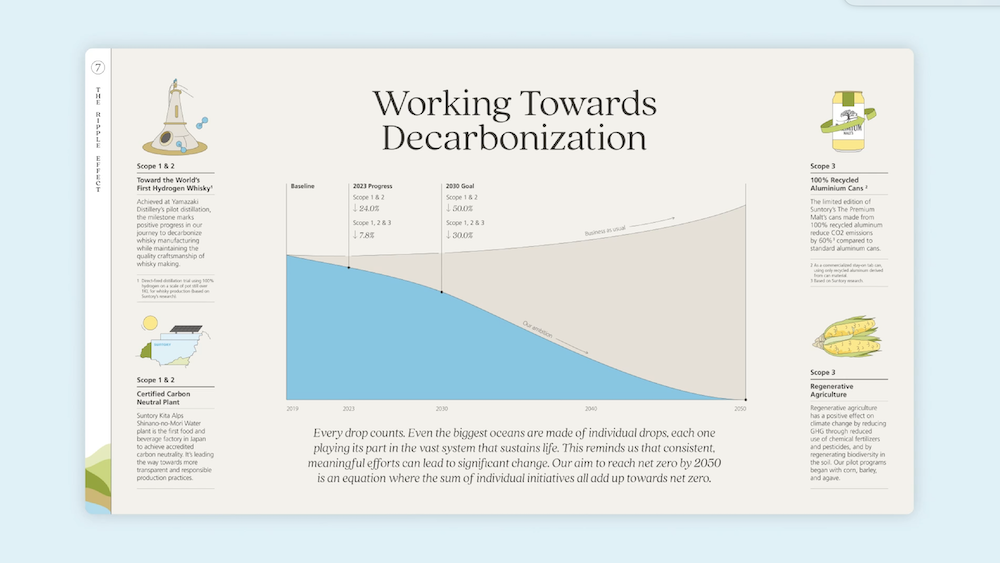
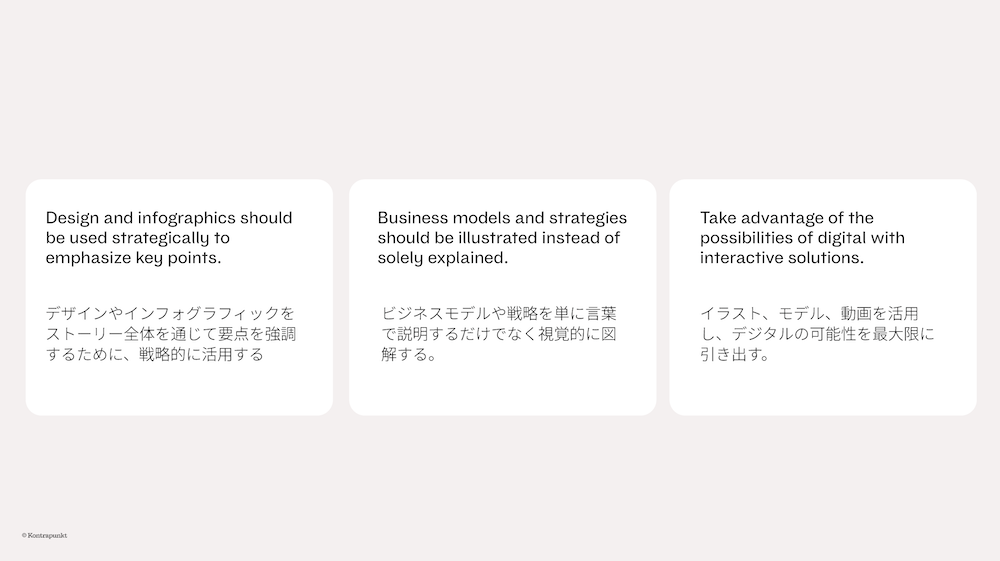
The result was an interactive digital platform expressing the flow of materiality through the movement of water, accompanied by an infographics-rich report. Rather than simply digitizing a report, the team designed an experience in which users explore information as if moving water itself, receiving inspiration along the way.
“It is not about listing facts. It is about conveying the genuine story at the heart of a brand with consistency, through orchestration. That is the power of design to move people.”
How far can companies and designers accompany change?
The event closed with a cross-talk between Johan and Kato.
Kato: “You work with many global companies. What impressions do you have of Japanese businesses?”
Johan: “I am deeply impressed by Japanese companies’ long-term perspective. Valuing history while thinking about the future, rather than chasing short-term profit, is a strength other countries should learn from. But with the rise of AI and geopolitical risk, the world is changing at an unprecedented pace. How to maintain that long-term view while moving quickly: navigating that paradox will be the key challenge for Japanese companies going forward.”
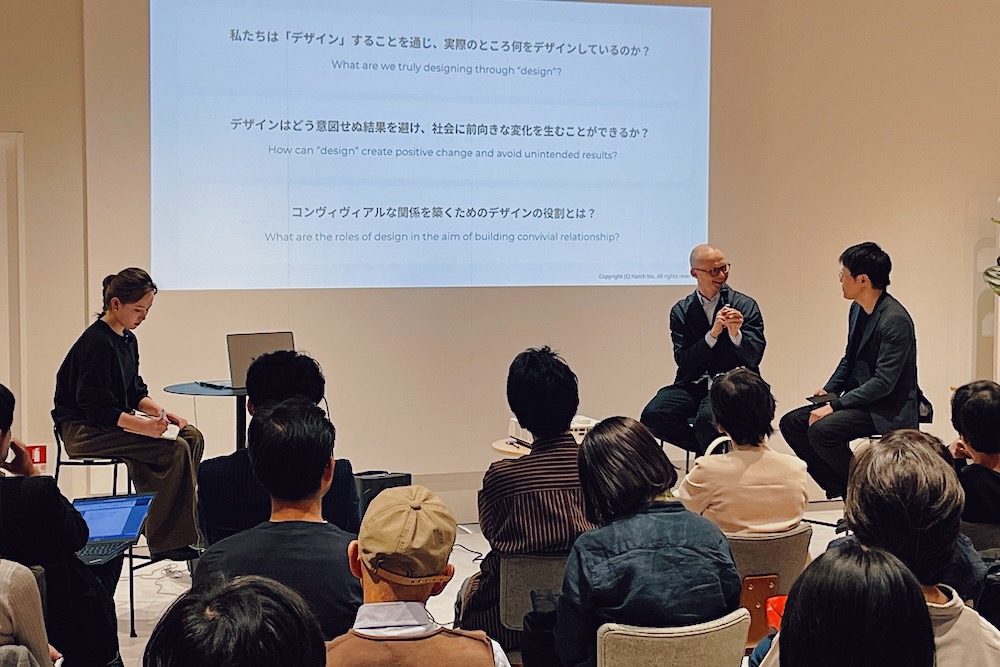
The conversation then turned from internal perspectives to the question of how to engage with clients.
Kato: “The Ørsted example is remarkable, but as in the finance world’s ‘divest or engage’ debate, I think it is also important to consider how to work with companies that have problems, not just good ones. Does Kontrapunkt select clients, or help guide more conventional companies toward improvement?”
Johan: “We carefully examine the impact a client’s business creates and make our decision about whether to participate in a project on that basis. Even with companies aiming for change, it matters deeply how genuine their intention truly is. In most cases it is not a binary good-or-bad question, so we see our role as genuinely helping clients become better.”
Johan frames the role of design as constructing the “meaning” shared between a brand and its audience. Design may carry both the influence and the responsibility for how a brand’s intentions and aspirations take shape and emerge in society.
From the future to the present: design must engage with the world as it is today, while remaining conscious that what it creates will shape the world several steps ahead.
The scope of what “design” encompasses has never been broader. What is asked of design is no longer simply to improve appearances. It may be to look honestly at the byproducts lurking behind daily life, and to invite society toward the threshold of rebuilding genuine systems through which people can live with autonomy.
【Related Article】IDEAS FOR GOOD “Decolonizing design education: Interview with the originator of ‘Respectful Design'” (in Japanese)
【Related Article】IDEAS FOR GOOD “Questioning the ‘stance’ for understanding complex climate change: How can design thinking and More-than-Human perspectives shape the future?” (in Japanese)
【Related Site】IDEAS FOR GOOD